Simplicity is the most misunderstood quality in cooking. It is often confused with austerity, with the absence of effort. Real simplicity is the discipline of using few things well, of resisting the temptation to add. It is one of the hardest things to do in any craft because it requires the maker to give up the easy comfort of adding more.
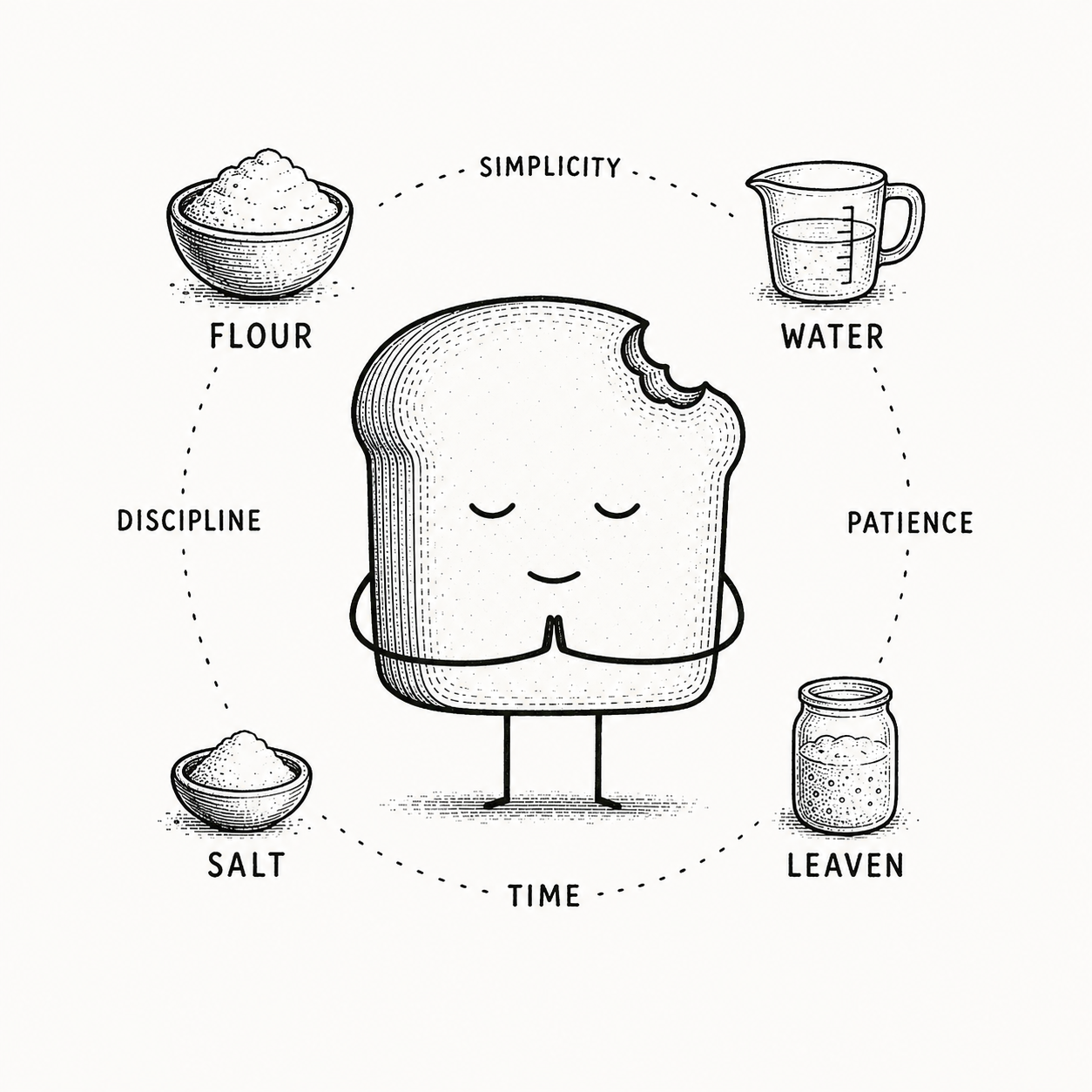
Bread is the great teacher of this discipline. The classical loaf has four ingredients: flour, water, salt, and leaven. None is exotic. None is expensive. From these four, given attention and time, can be produced an object that requires no improvement and would be diminished by either.
Of the four, salt is most often misunderstood. It is also a structural ingredient and a regulator of fermentation. It strengthens the gluten network. It slows yeast activity, which is essential for any bread that ferments for more than a few hours.
Water is the most ignored. Hydration—the proportion of water in a dough—may be the single most consequential decision a baker makes after choosing flour. A standard loaf might be 65 percent hydration; a high-hydration artisan loaf can run 80 percent or higher. As hydration rises, the dough becomes increasingly slack and—if the baker has skill—increasingly capable of producing the open, irregular, glossy crumb that signals a well-made artisan loaf.
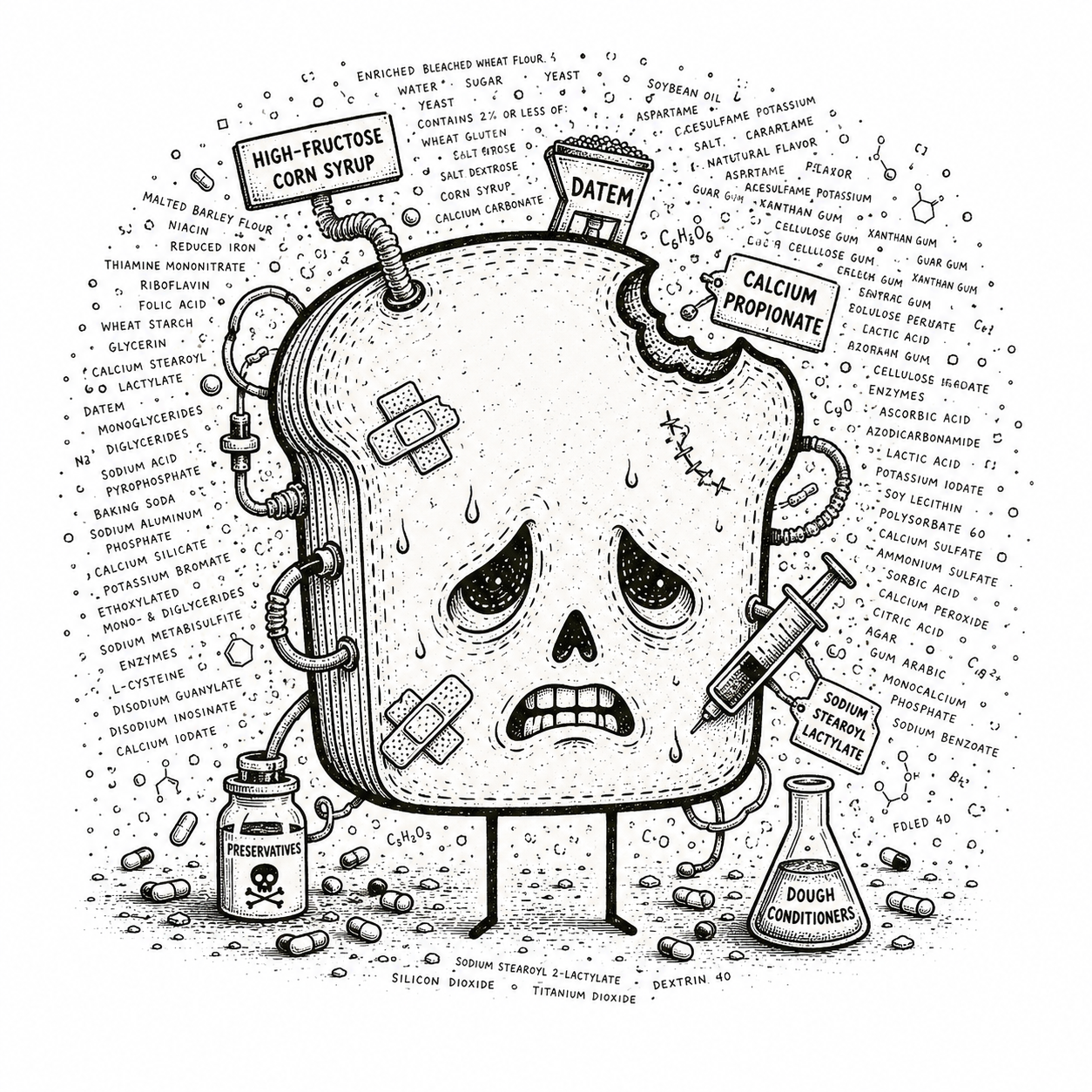
Time is the third pillar, and the strangest. It cannot be bought, packaged, or substituted. It can only be given. Long fermentation allows wild yeasts and bacteria to consume the sugars at their own pace, producing the acids and aromatic compounds that define real bread’s flavor. None of this can be replaced by an additive. An industrial loaf can imitate the appearance of fermentation through dough conditioners, the appearance of color through caramel coloring, and the appearance of keeping quality through preservatives. But it cannot imitate the flavor, structure, or inner life of bread that has actually been fermented for a long time.
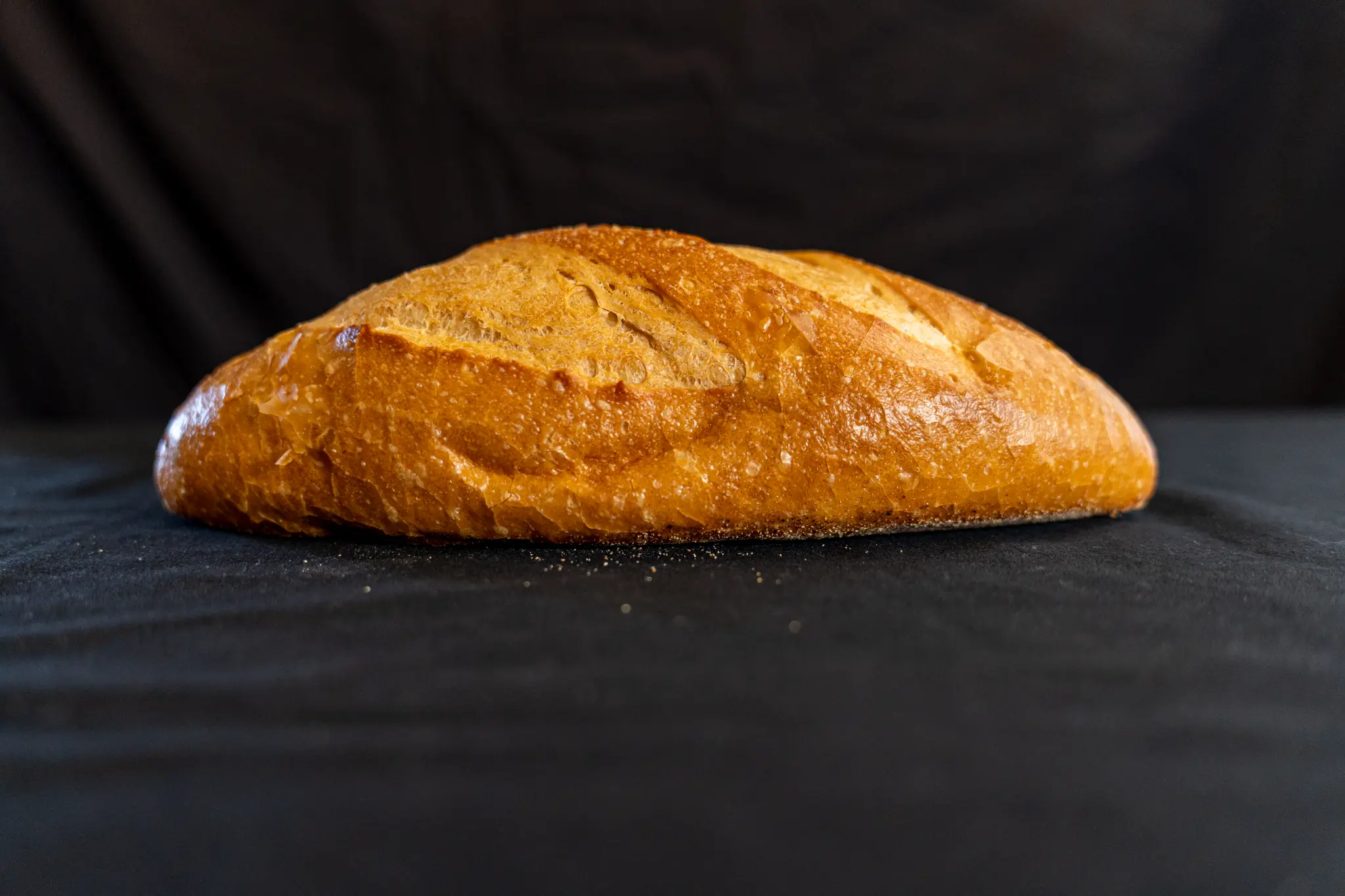
To bake real bread is to practice restraint every day, against the constant temptation to do more. The customer cannot see the choices that were not made, the conditioners that were not added, or the shortcuts declined. The reward is structural: the accumulation, over years, of a loaf that consistently bears the four Marks. The simple loaf is the harder loaf. It is the one that gets better with time.
Want the full story?
This is an excerpt. The complete essay is published on Substack.
Read more on Substack